At a glance
For: Students
Topics: Learning partner exchange, mental health, mental support, workshops on learning techniques, networking methods, studying with a child, support for international students
Location: University of Kassel
Interaction and social networking
Within the framework of the QuiS_Plus funding program for 2022/23, target group-specific measures were offered at central facilities of the University of Kassel, administrative units with advisory mandates, and the student services organization's counseling department. These measures aimed to support student interaction and social networking in light of the COVID-19 pandemic. According to the funding guidelines, the target group consisted primarily of students who, due to the pandemic situation, required additional support, coaching, counseling, or psychological assistance beyond existing structures, or who exhibited more pronounced academic deficits.
The following projects were implemented:
- The existing paper version of the LUKS learning partner exchange has been supplemented with a digital version. It allows students to connect and stay in contact with fellow students regardless of location, semester, or degree program, and to find suitable learning partners.
- Events from the "Studying with Mental Health" prevention program, run by the association Irrsinnig Menschlich eV, were conducted online. Through information, education, and encounters with people who have overcome mental illness, students experiencing emotional crises were given confidence and solutions. This contributed to promoting academic success and preventing students from dropping out.
- Opportunities were organized for German and international students to meet and interact. Through shared leisure activities, they could improve their language skills and make new friends. In addition to cross-linguistic and cross-cultural meetings, events were offered in specific foreign languages.
- The project "Peer Advisor for International Students during the Corona Pandemic" helped international students navigate the particularly challenging start to their studies due to the pandemic. Trained student assistants from higher semesters supported newly arrived international students with timetable planning, course selection, orientation within their department, and exam registration.
- Workshops on learning techniques, networking methods, and mental support helped students cope with the challenges of digital studies. Topics included intercultural and interpersonal communication, academic writing, structuring 'home study', moderation and presentation techniques, as well as relaxation methods and recognizing and utilizing one's own strengths.
- Special programs were offered to students with children, such as parent-child meetups, family gatherings, and themed events. The focus was on networking and exchange. Information on counseling services could also be disseminated in a targeted manner, and needs could be identified. The goal was for these programs to evolve into self-organized meetings led by the student parents themselves.
- The workshop “Goodbye, Corona Blues” gave students the opportunity to process the disruption to their lives caused by the pandemic and its associated effects in a relaxed setting.
- The student services organization, commissioned by the university, offered supervised groups for graduating students. These groups helped re-establish contact with fellow students, set self-directed goals, strengthen self-organization, and make more active use of university resources. The aim was to support students in successfully completing their studies or, given the uncertain situation due to the pandemic and anxieties about the future, to ensure they did not postpone graduation.
- The student services organization also conducted additional social counselling and individual counselling sessions at the psychological counselling center on behalf of the university, thus meeting the significantly increased demand.
- A running project aimed to bring students – especially dormitory residents – back into contact through sport and to counteract the social isolation that was partly a consequence of the pandemic.
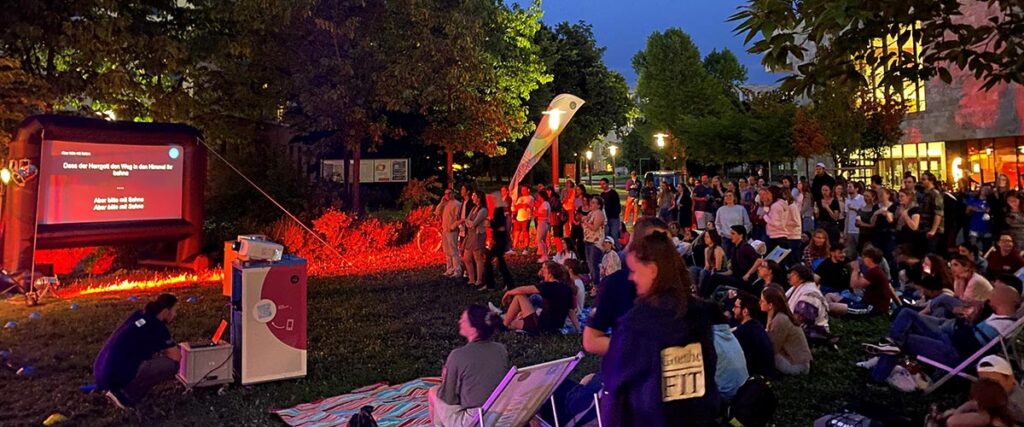
- A “Late Welcome Party” was aimed at students for whom, due to the pandemic, no special in-person social integration programs had been offered for starting their studies.
Contact person in
Dr. Lutz Nickel , University of Kassel