At a glance
For: Students, lecturers, university staff
Topics: Further developing and expanding part-time studies, targeted support for students with professional experience, part-time teacher training, tailored biology studies following relevant vocational training, individually developing basic computer science knowledge, analyzing reasons for dropping out of studies
Location: Technical University Of Darmstadt
This course suits me...
The student body is becoming increasingly diverse. TU Darmstadt is therefore exploring new avenues. It is developing programs that allow students to better adapt their studies to their individual life circumstances.
One option for flexible study is part-time study. This study model has existed at TU Darmstadt since 2012 in a form unique to Hesse and is available in almost all subjects. More and more students are choosing to officially extend their studies at the university. A bachelor's degree is then designed not as six semesters of full-time study, but as nine or twelve semesters of part-time study. With QuiS-Flex, this model is being further adapted to the changing life circumstances of our students.
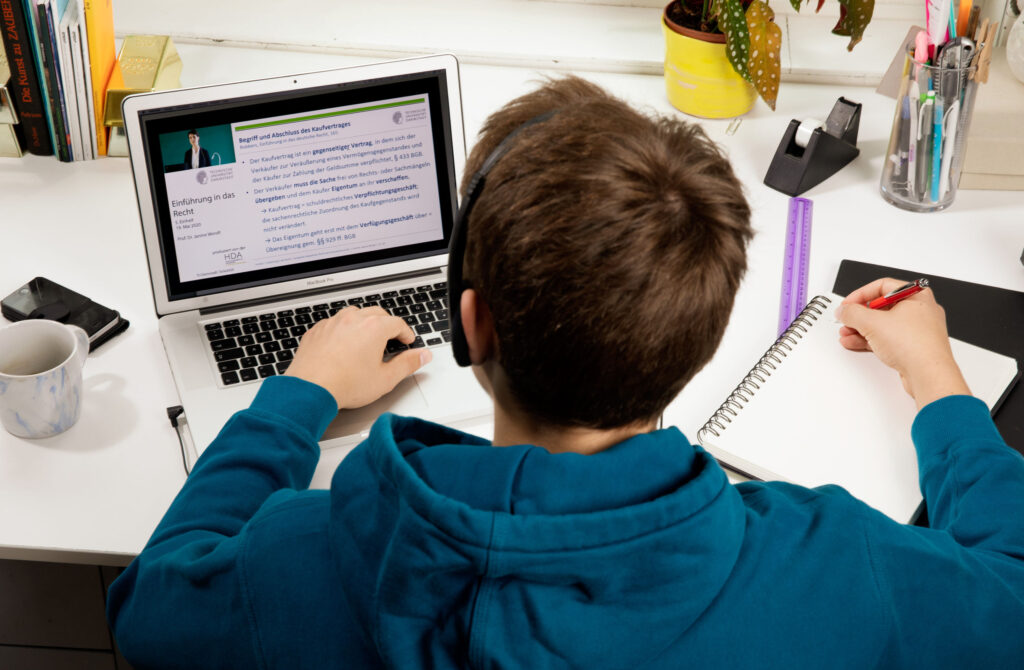
Connecting study paths and life situations
The high school teacher training program has so far required full commitment from its students. Formal part-time study was not possible here in the past. That will change. A part-time teacher training course is in preparation thanks to QuiS-Flex. There are two hurdles that need to be overcome: On the one hand, part-time study plans must be designed that work for two equal subjects and educational sciences. On the other hand, the practical phases in schools, which were previously designed for full-time work, must be rethought. One approach could be to accompany and take into account non-university experiences, as many students are already trying to combine their studies with work as a substitute or collectively bargained teacher at a school.
Quis project Career2Bio-experiences of students
After training, go to college
The biology department is also working on more flexible study models. The focus here is on students who have already completed subject-related vocational training, for example as a biological-technical assistant/biology laboratory technician or chemical-technical assistant/chemical laboratory technician. These students have already acquired specialist knowledge and skills as part of their training, for which a simplified, generalized credit recognition procedure is to be developed. These and other flexibility options during the course of your studies are intended to make it possible to work parallel to your studies and to take care of family obligations. In addition, appropriate advice and support services should be established in order to reduce hurdles and make the transition to studying easier. Finally, the pilot project will examine whether these individual measures can be further developed into a separate study track for students with professional qualifications.

A modular system for learning planning allows all students to acquire missing technical and interdisciplinary skills in addition to the required specialist courses.
Modular system for learning planning
The Department of Computer Science is taking a different approach to making studies more flexible. Computer science is the key discipline of the 21st century, and many first-year students want to earn their degree in this field. However, even the introductory lectures present numerous challenges. Depending on prior knowledge and skills, these can vary considerably from person to person. The QuiS-Flex funding program aims to develop a modular learning plan that allows all students to acquire the necessary subject-specific and interdisciplinary skills alongside the required courses. The goal is to enable more students to succeed through the individualized design of the introductory courses.
In a further sub-project, the QuiS-Flex funding program is being used to examine the specific challenges and barriers to study. We are analyzing the reasons why students decide to drop out of their studies and are developing further courses of action for TU Darmstadt – with the aim of making successful studies possible for everyone.
Contact person in
Dr.Lydia Seibel, Technical University Of Darmstadt