
Press release, December 17, 2025
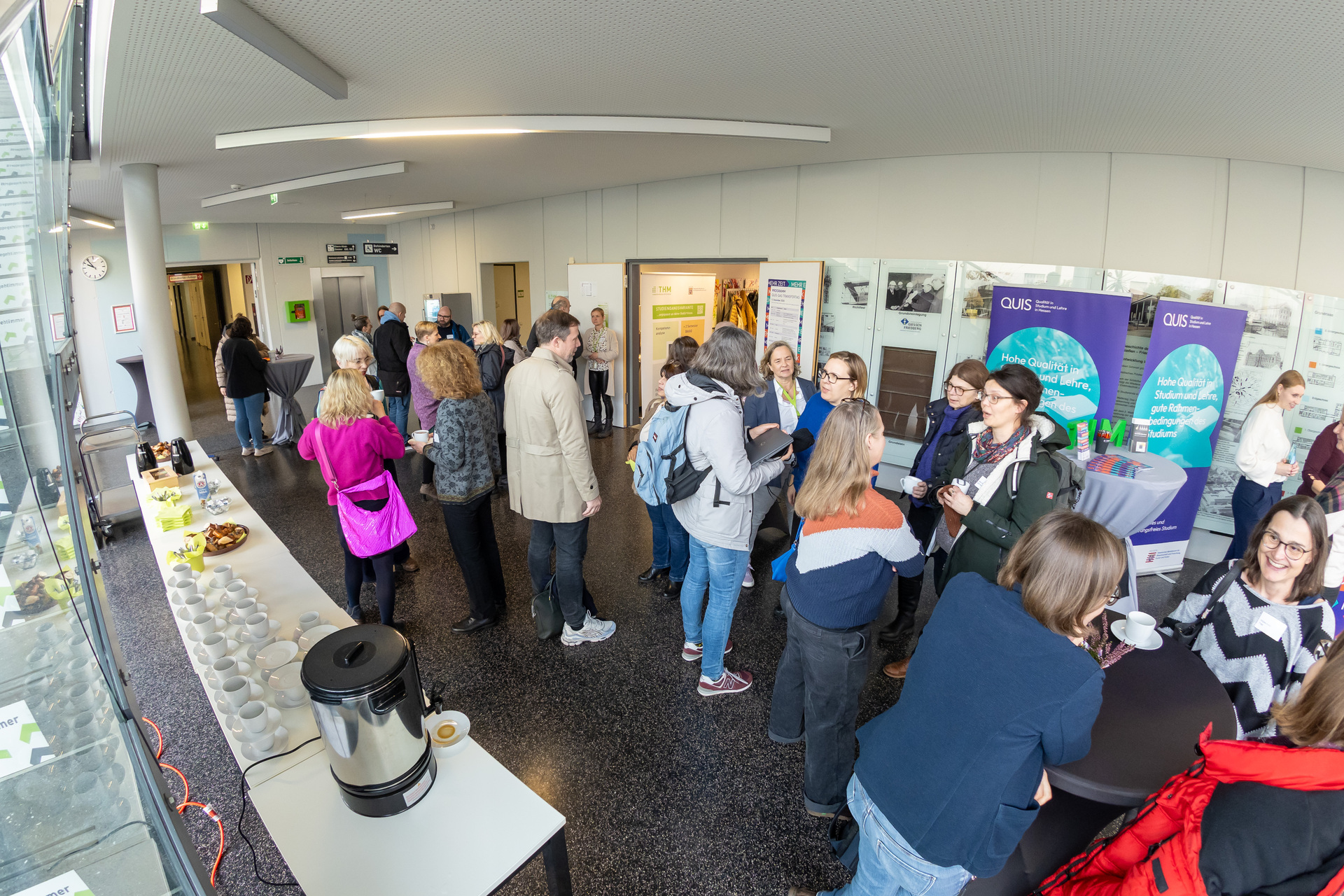
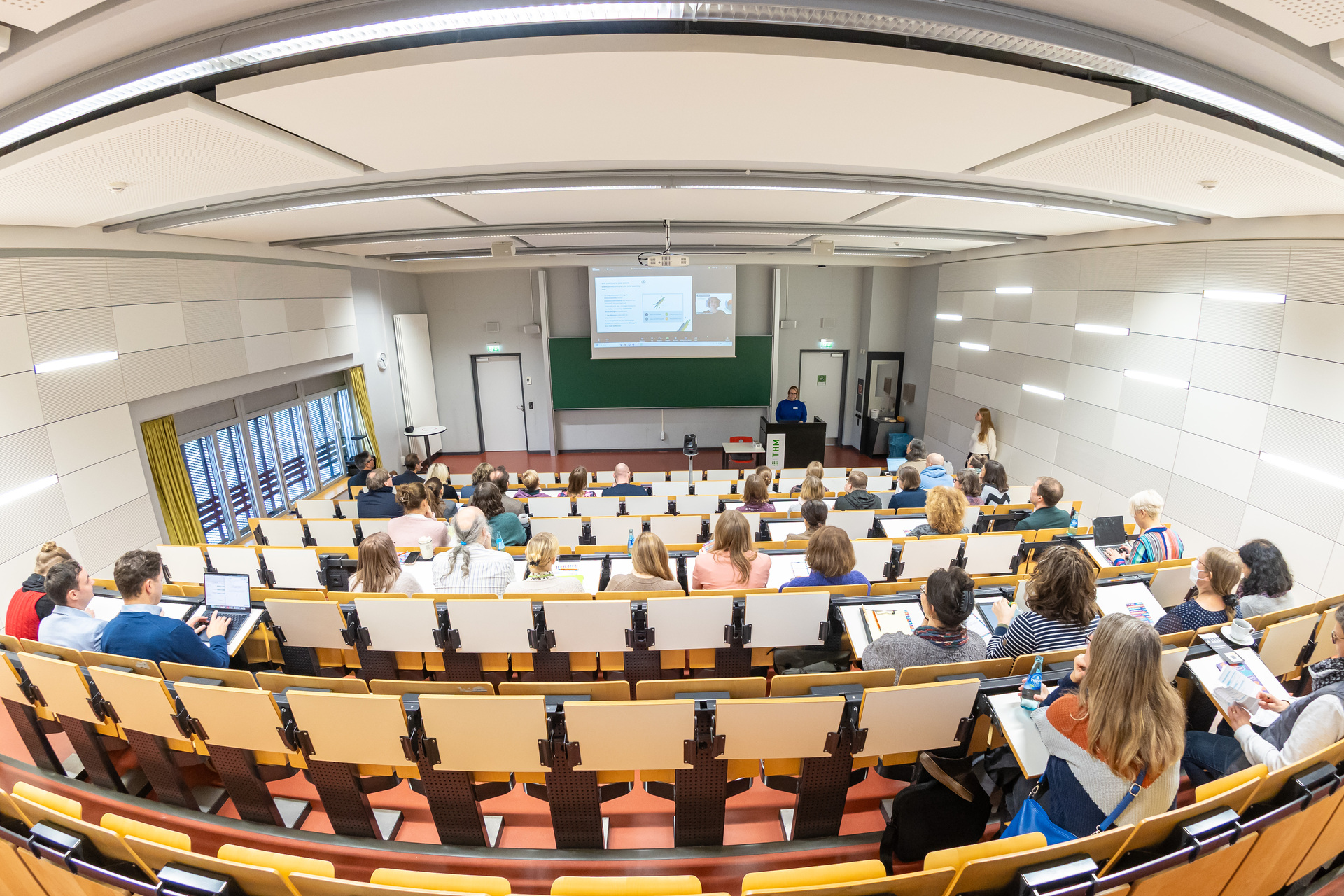
How can students successfully begin their studies in technical subjects when they come to university with diverse life experiences and educational backgrounds – and how can their academic success be ensured? These questions were the focus of a transfer day at the Technical University of Central Hesse (THM) in Friedberg. Representatives from universities across Germany exchanged experiences and insights on "Studying at an Adapted Pace" (SaG).
SaG is a collaborative project of five Hessian universities of applied sciences, with THM University of Applied Sciences taking the lead. The Hessian Ministry of Science and Research, Arts and Culture (HMWK) funds the study model within the "High Quality in Studies and Teaching, Good Framework Conditions for Studying" (QUiS) program. At THM, this model is called GettING Started: By extending the standard period of study – the additional semesters remain eligible for BAföG funding – the number of modules and exams in the first semesters is reduced. At the same time, more time is created for practical experience and supplementary courses. In this way, first-year students can close knowledge gaps, develop skills, solidify their foundations, and build a network.
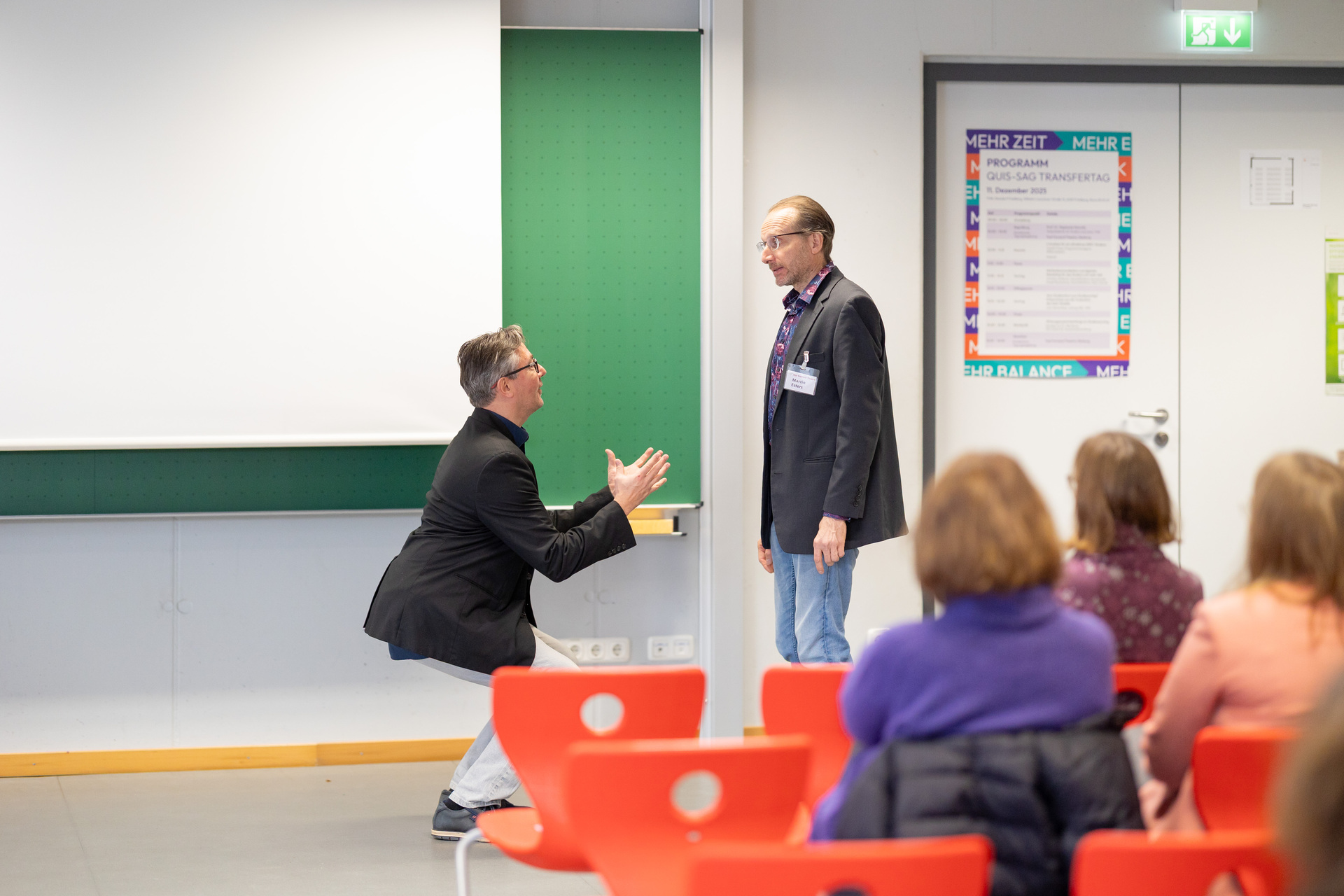
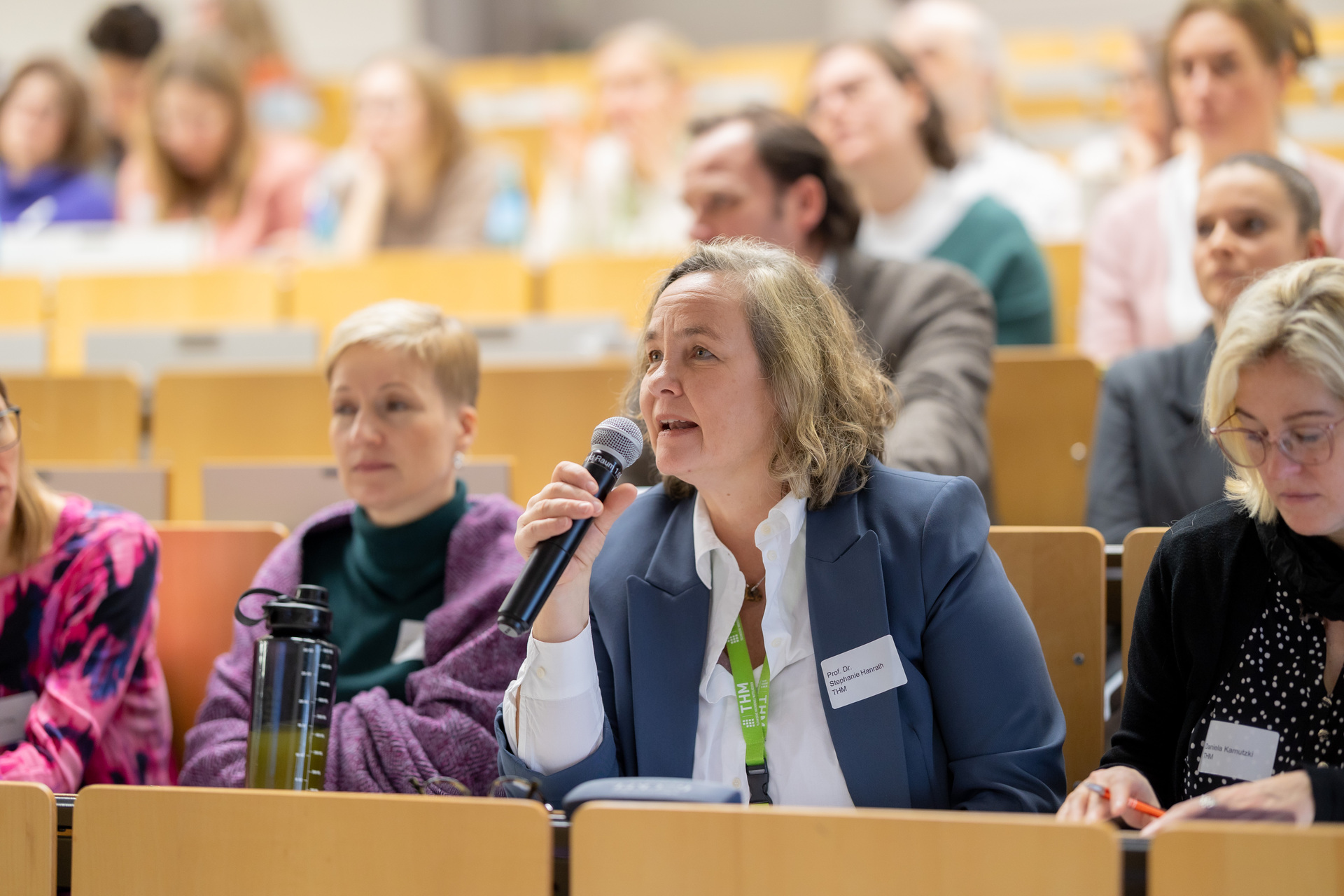
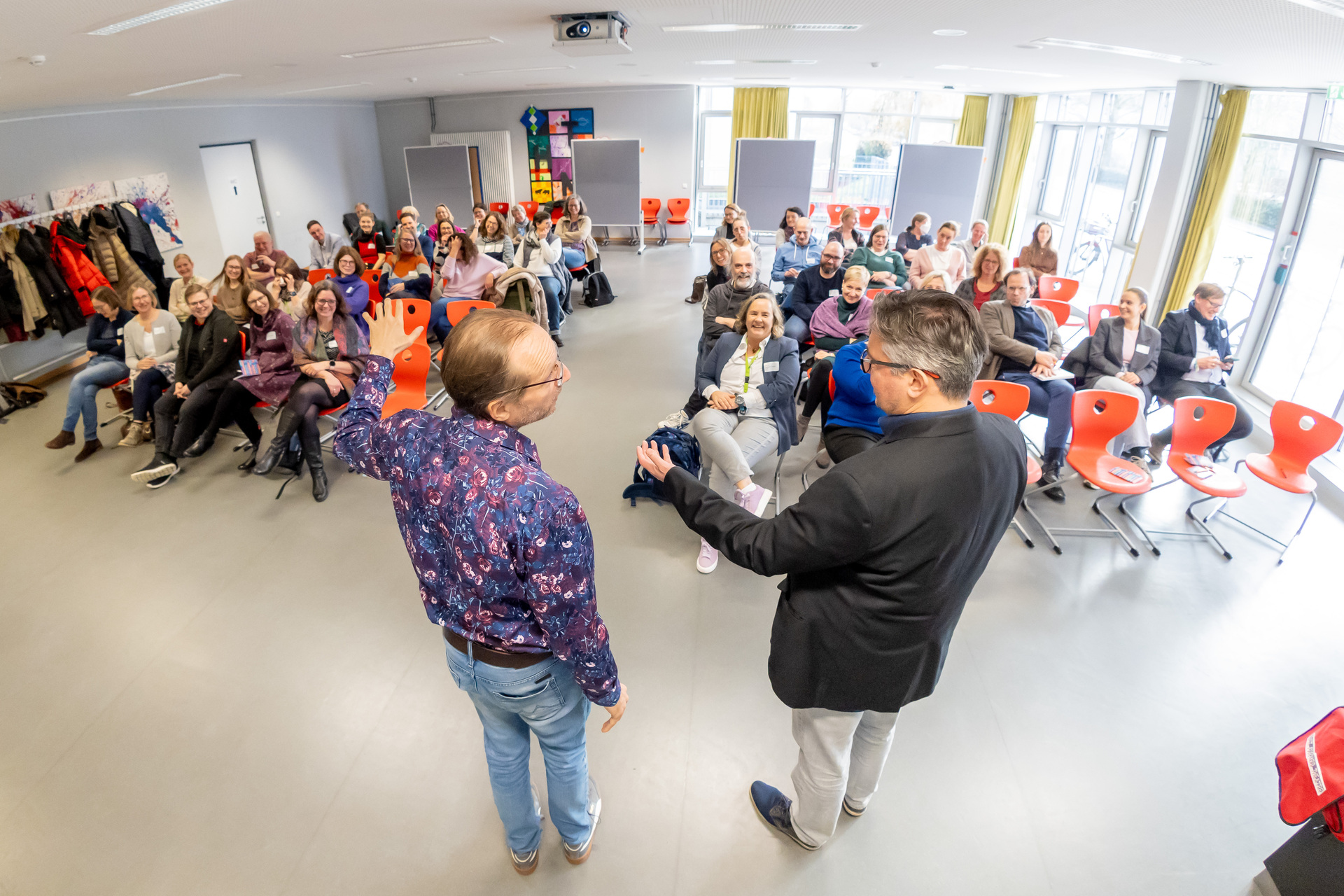
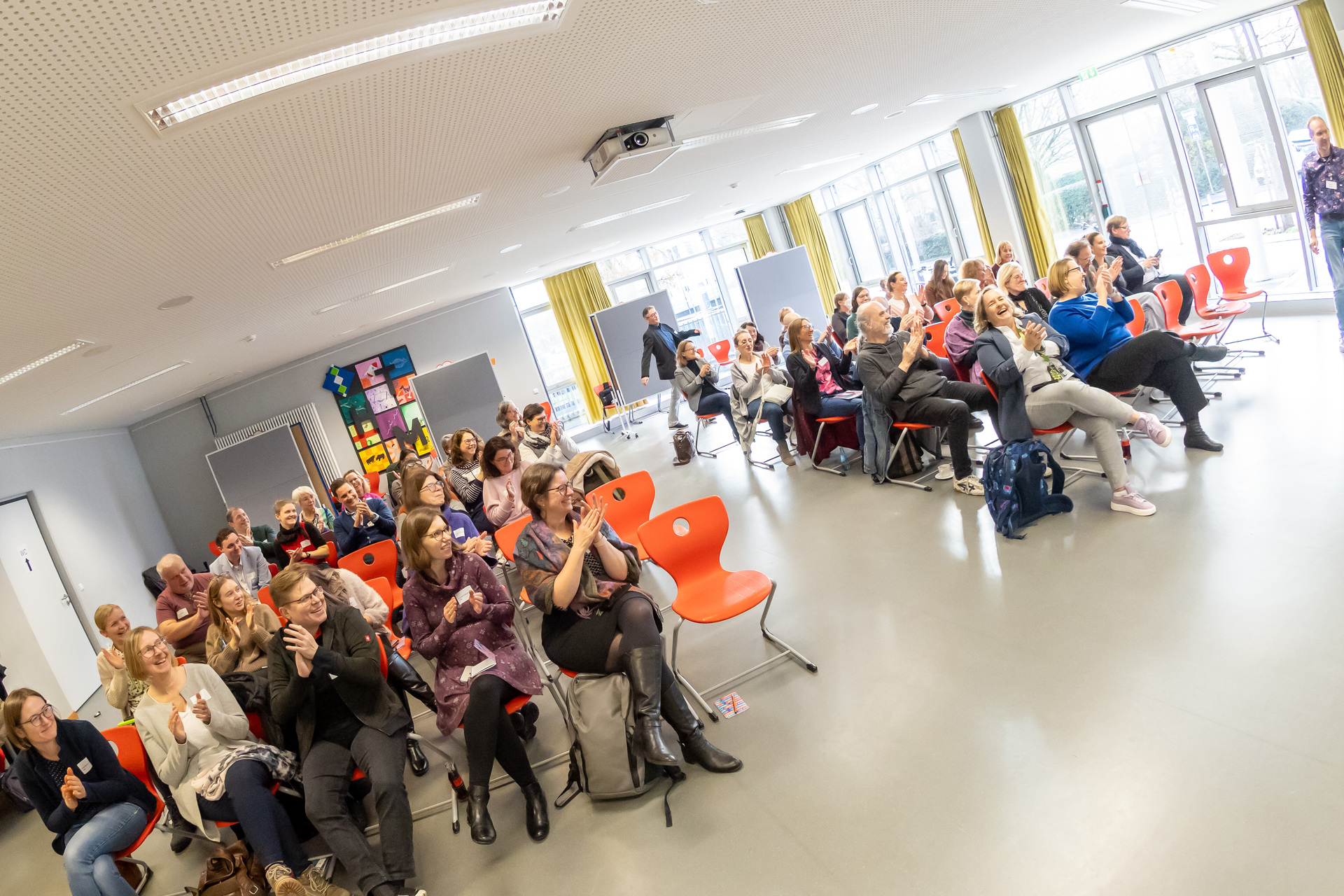
The Transfer Day in Friedberg was opened by Prof. Dr. Stephanie Hanrath, THM Vice President for Studies and Teaching. In her welcoming address, she emphasized that the event was not only about taking stock of the current situation, but also about "looking ahead" – flexibility in studies is becoming increasingly important. She wished the participants a stimulating exchange and thanked project coordinator Dr. Susanne Reisinger for her dedication. The day was artistically accompanied and moderated by the Fast Forward Theater from Marburg with an improvisational theater performance.
In her keynote address, "Four Approaches to an Attractive STEM Degree," Carolin Friese, program manager at the Stifterverband für die Deutsche Wissenschaft (Donors' Association for the Promotion of Sciences and Humanities in Germany), presented the importance of flexible study structures. Given the demand for skilled workers, heterogeneous student groups, and high dropout rates, flexibility is a key lever – particularly through adaptable study models and targeted orientation programs that acknowledge diverse life experiences. Regarding the implementation of attractive STEM studies, the Stifterverband cites GettING Started as a best practice example: The number of modules in the first semesters is reduced, and the standard period of study is extended: "This is intended to give students more time for academic and organizational support during the initial phase of their studies."
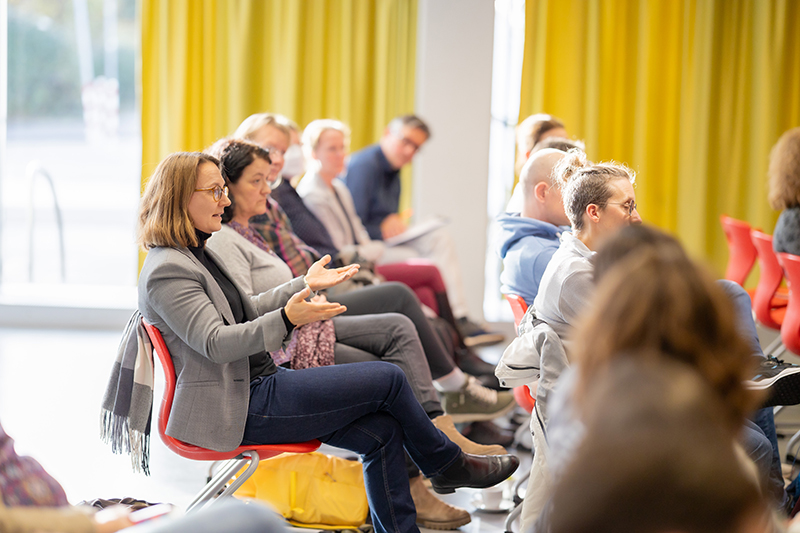
Christian Schlimok from the strategy consultancy and design agency Novamondo provided insights into brand communication and digital marketing for the "Study with More Time" program. He described the challenges of reaching a heterogeneous target group online and explained the further development of the marketing campaign.
Lisa-Marie Klose, head of the THM Center for Quality Development (ZQE), presented key findings on the effectiveness of the SaG model in her evaluation presentation. The results showed that GettING Started particularly facilitates the transition to university studies for students with non-linear educational backgrounds. Students highlighted the reduced pressure and increased time for foundational skills – especially in mathematics and academic writing – as positive aspects. Over 90 percent of respondents rated the academic support as good or very good, and the recommendation rate was 90 percent. Social integration is also facilitated through mandatory supplementary courses and fixed study groups. Klose summarized: GettING Started "reaches a more diverse target group with broader educational backgrounds," "measurably improves the transition to university studies, academic development, and contact with instructors/peers," and "demonstrates clear effectiveness at THM – both quantitatively and qualitatively – despite the small cohort so far."
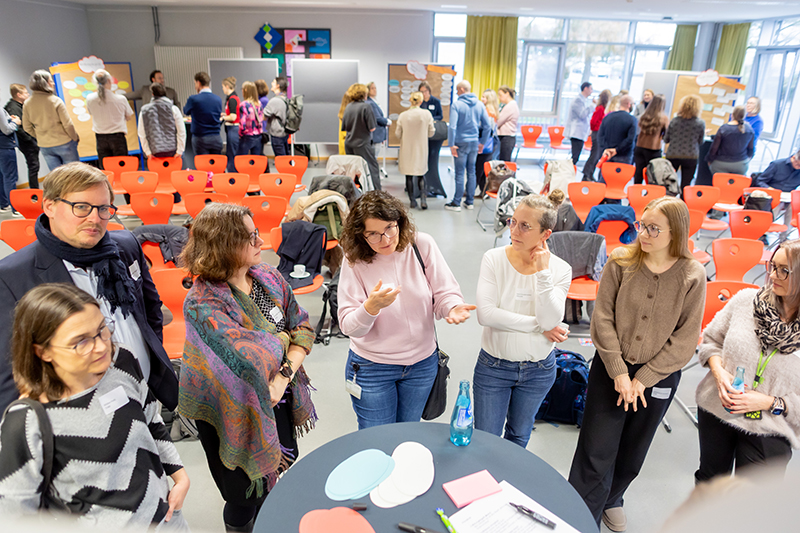
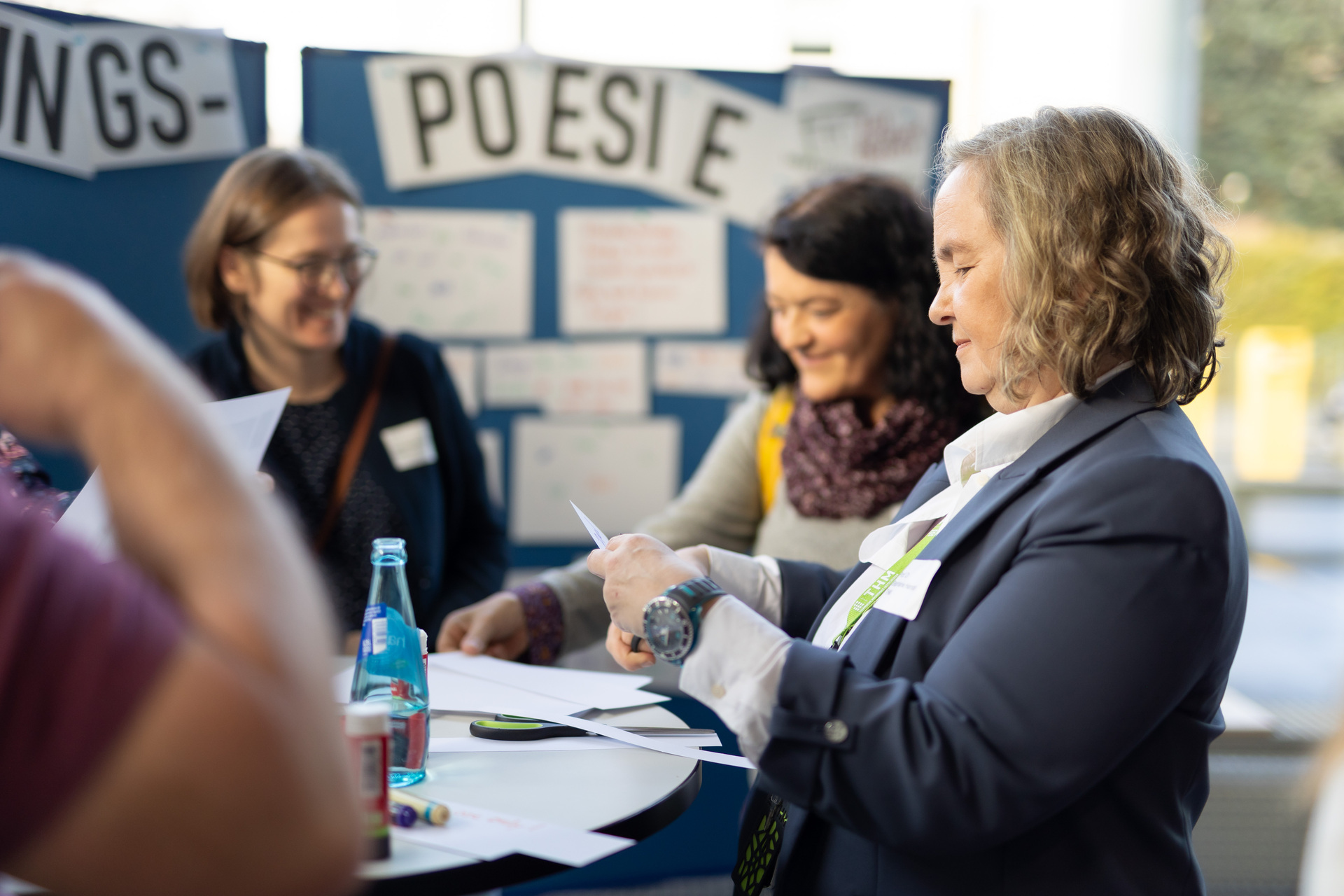
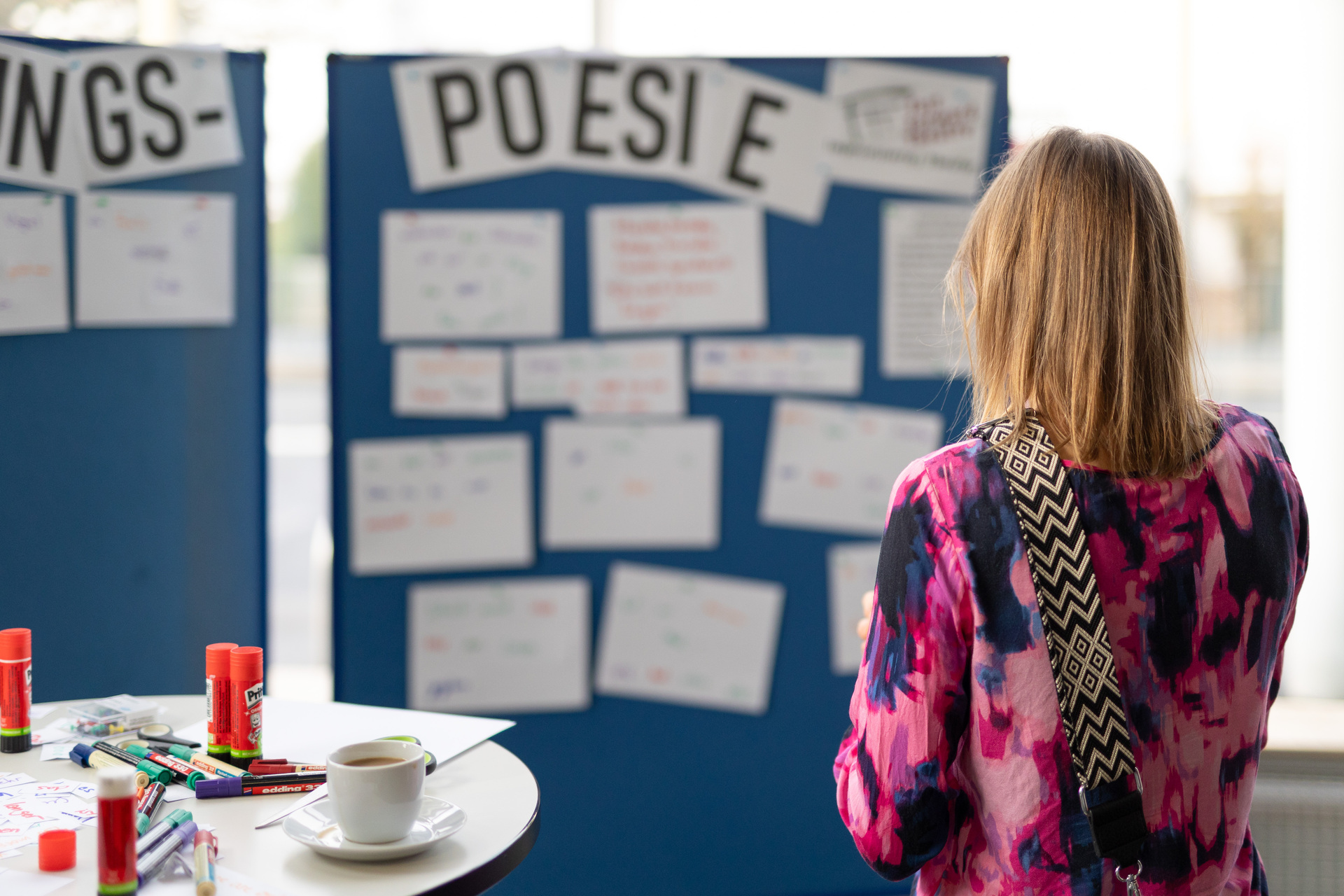
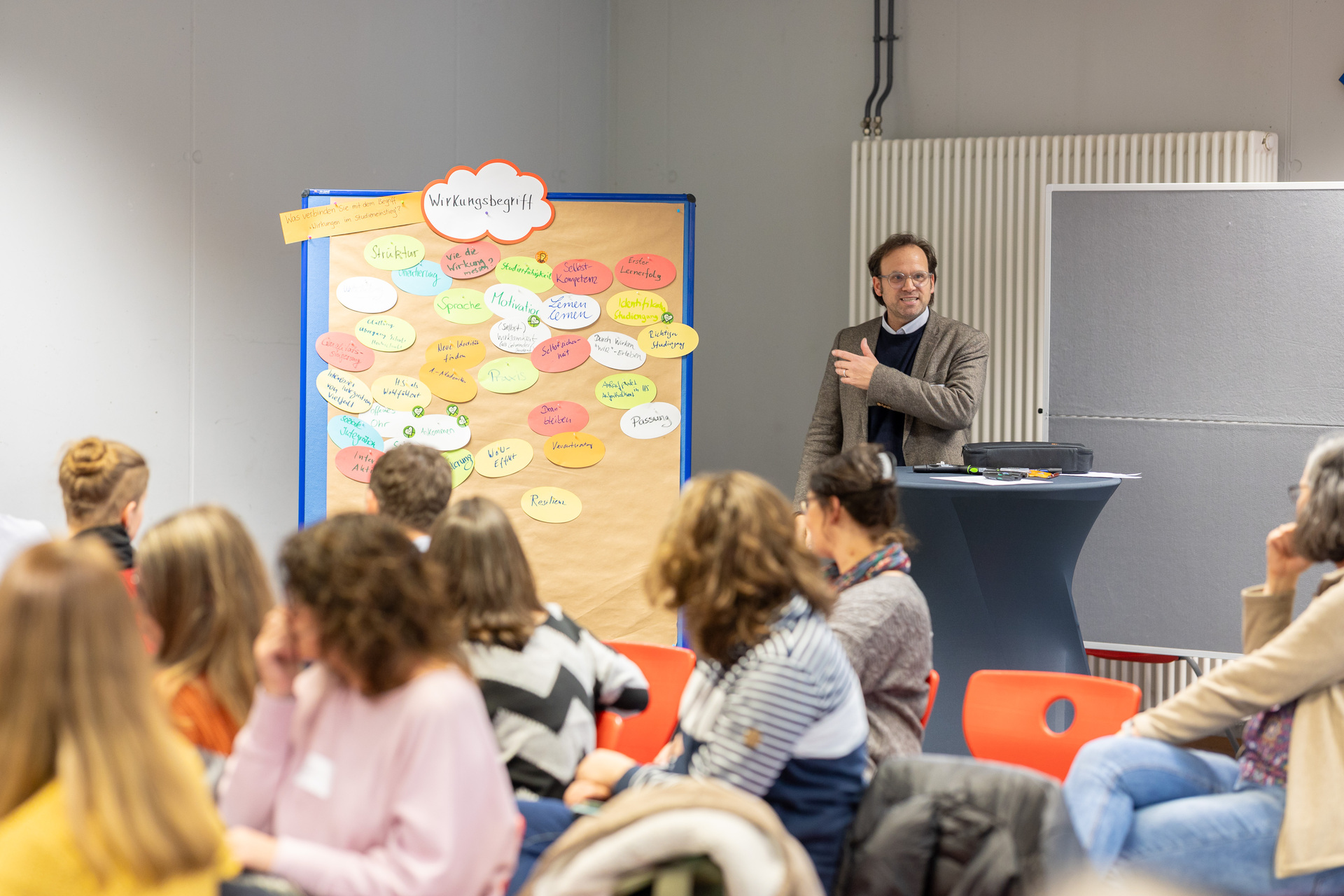
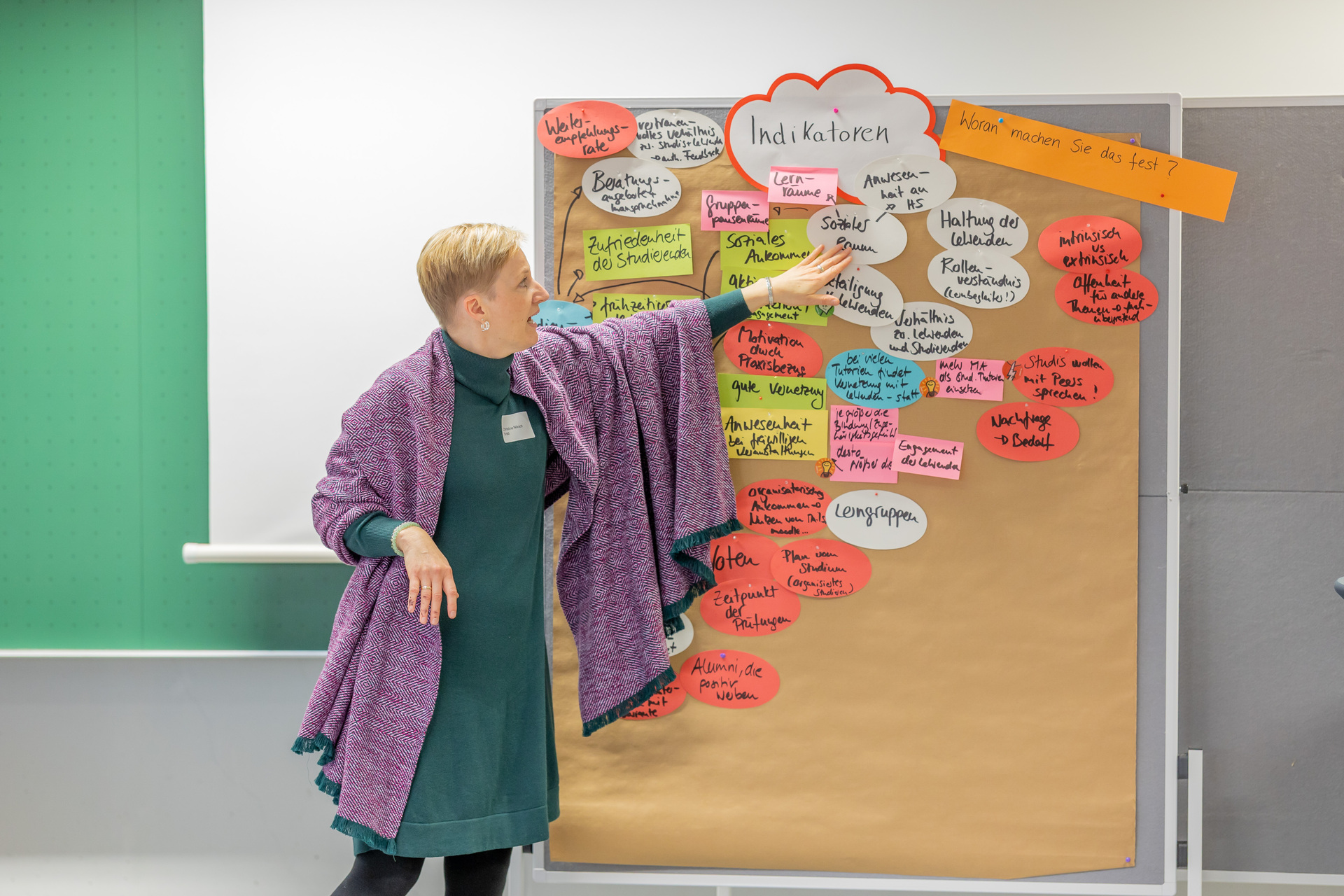
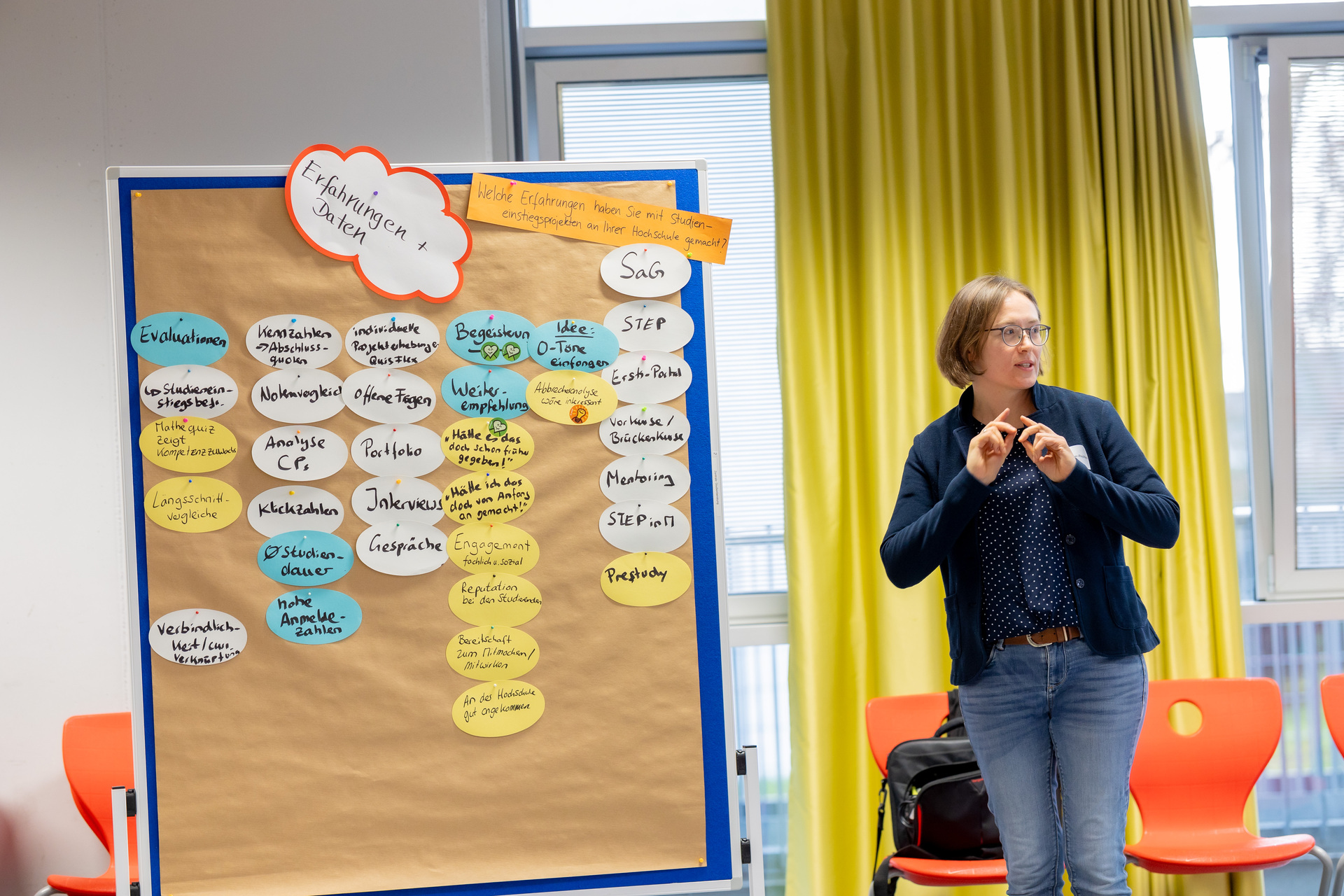
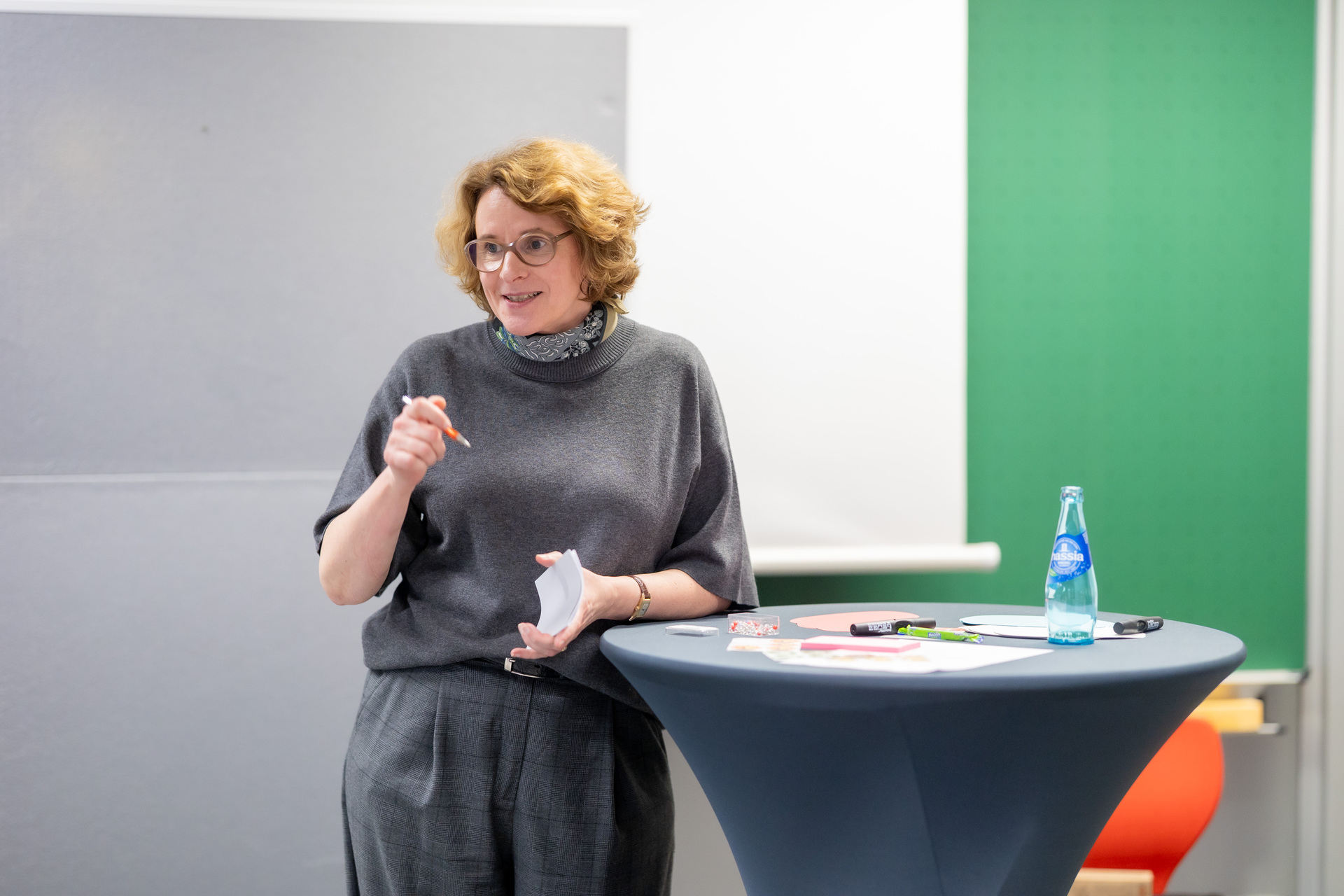
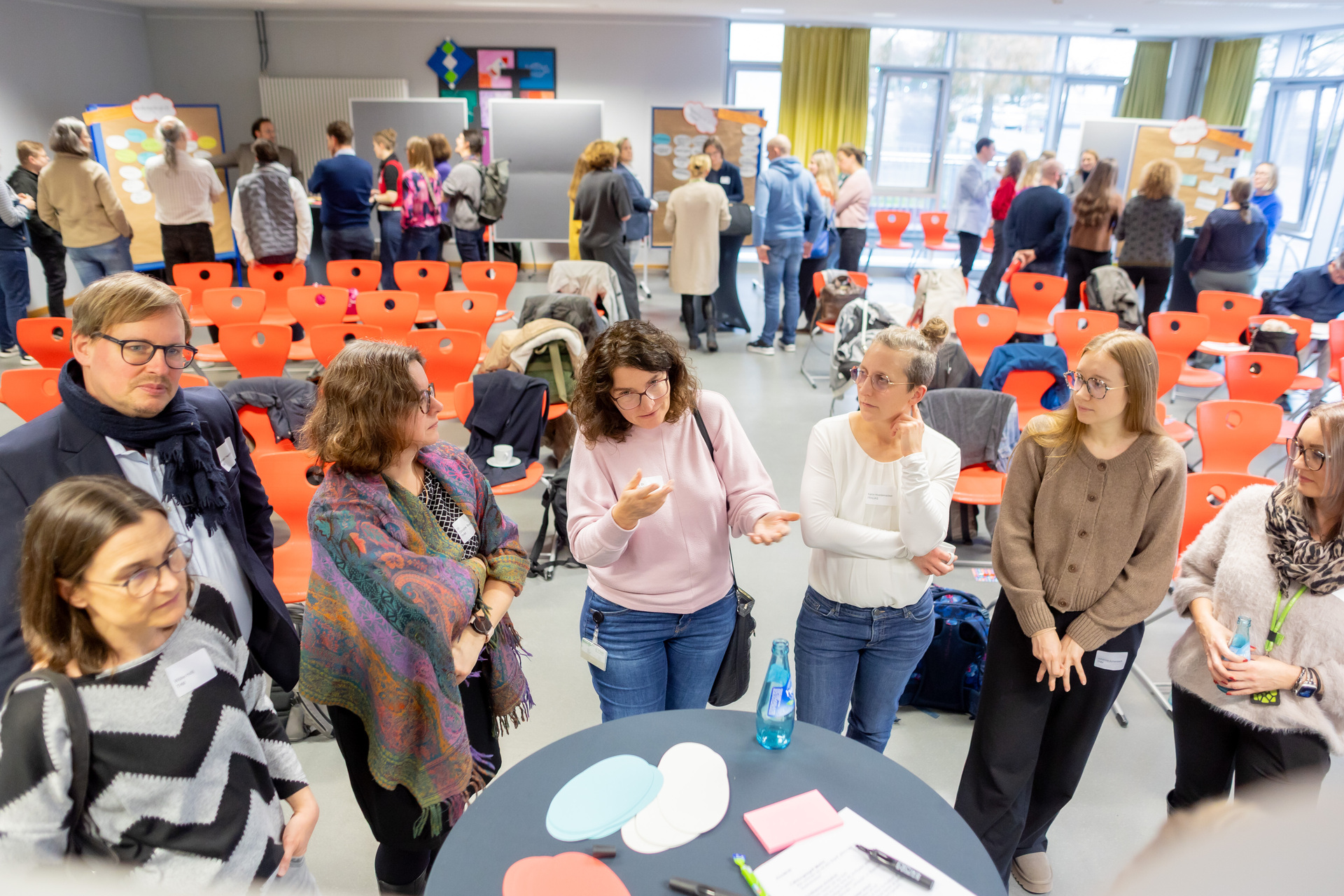
In the concluding "World Café" session, participants discussed success factors and transfer opportunities for the SaG approach. Dr. Kerstin Schulmeyer-Ahl, representative of the Hessian Ministry of Higher Education, Research and the Arts (HMWK), emphasized the crucial role universities play as social spaces for students. Overall, the transfer day provided numerous opportunities to transfer the model to other universities and degree programs in Germany.
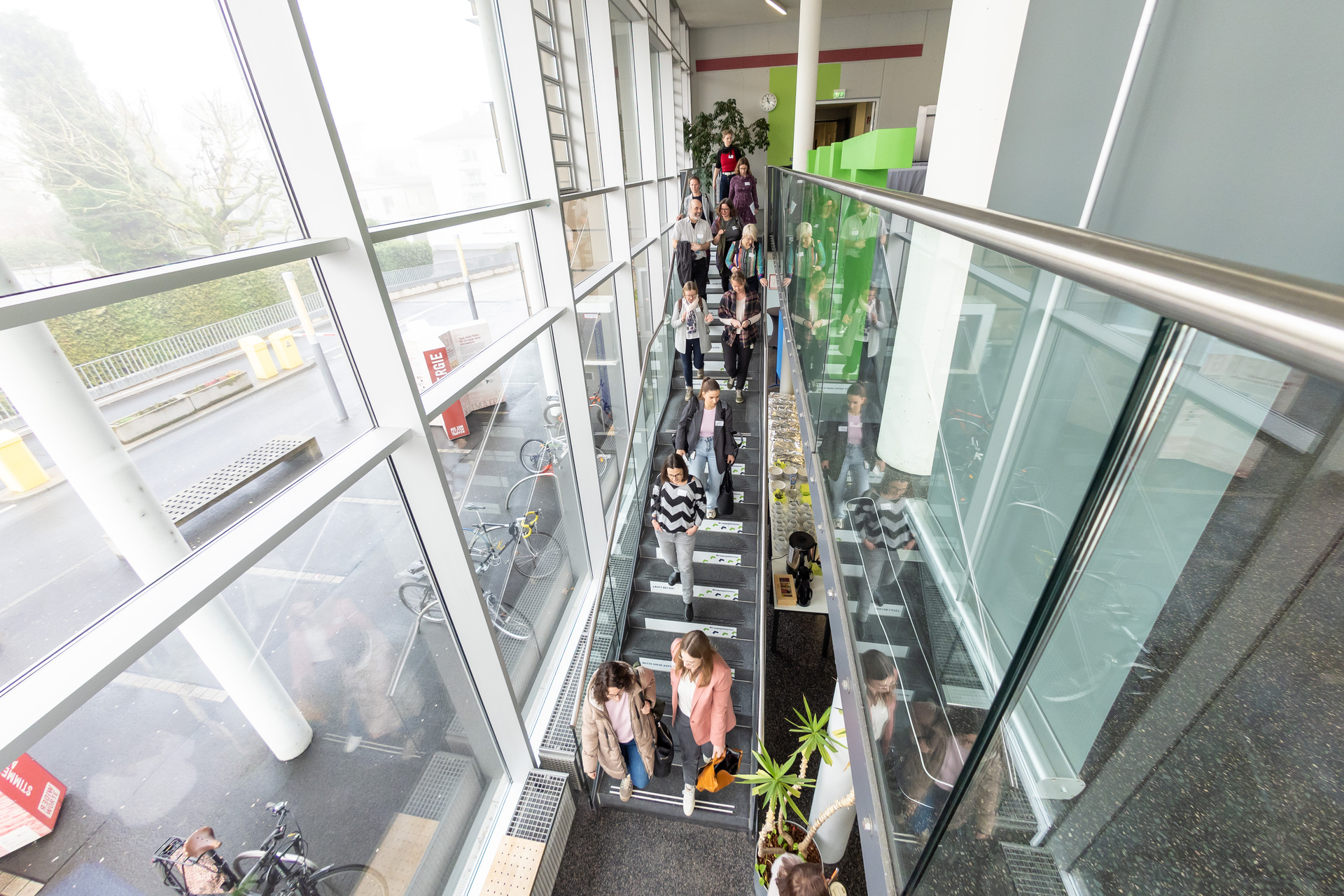
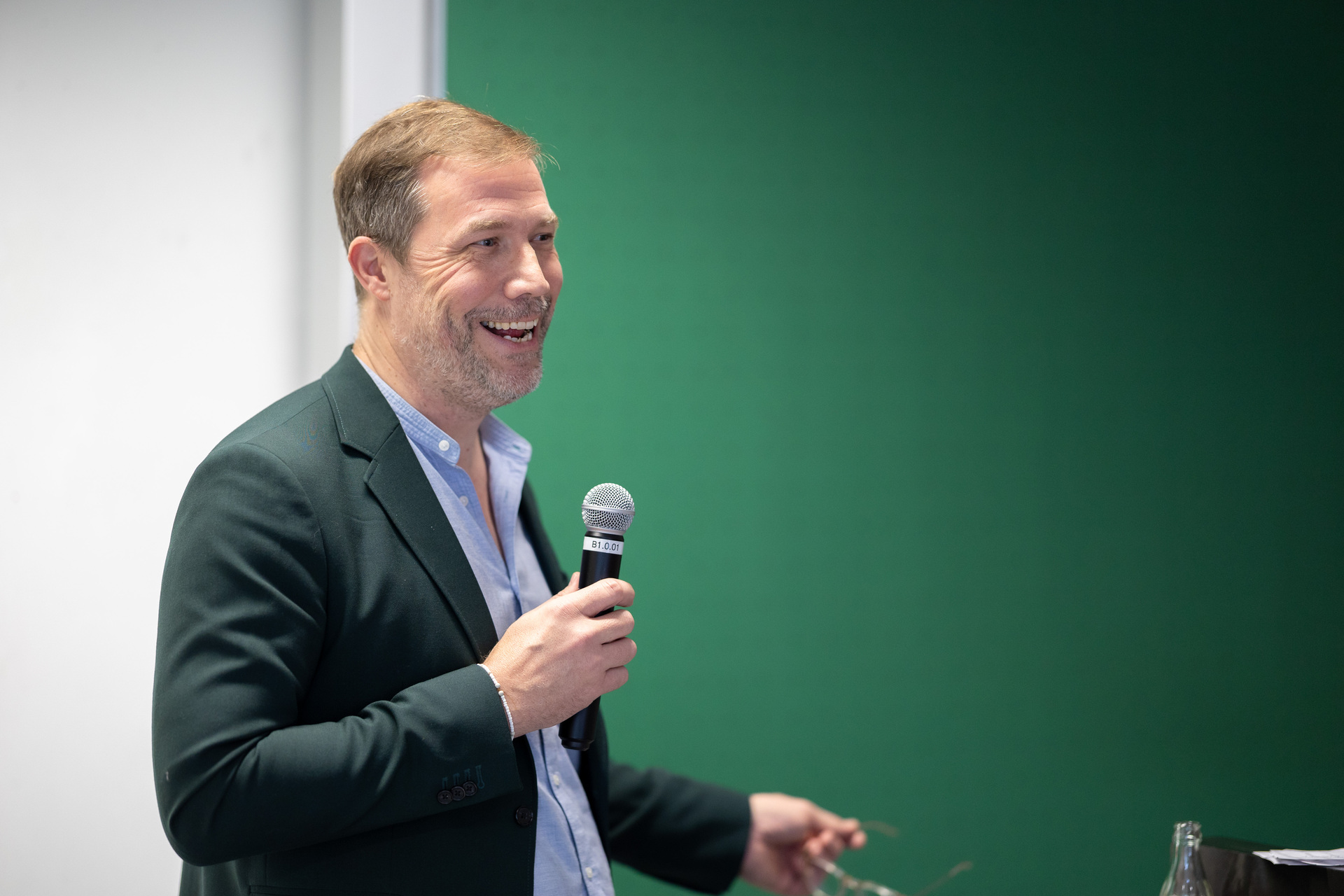
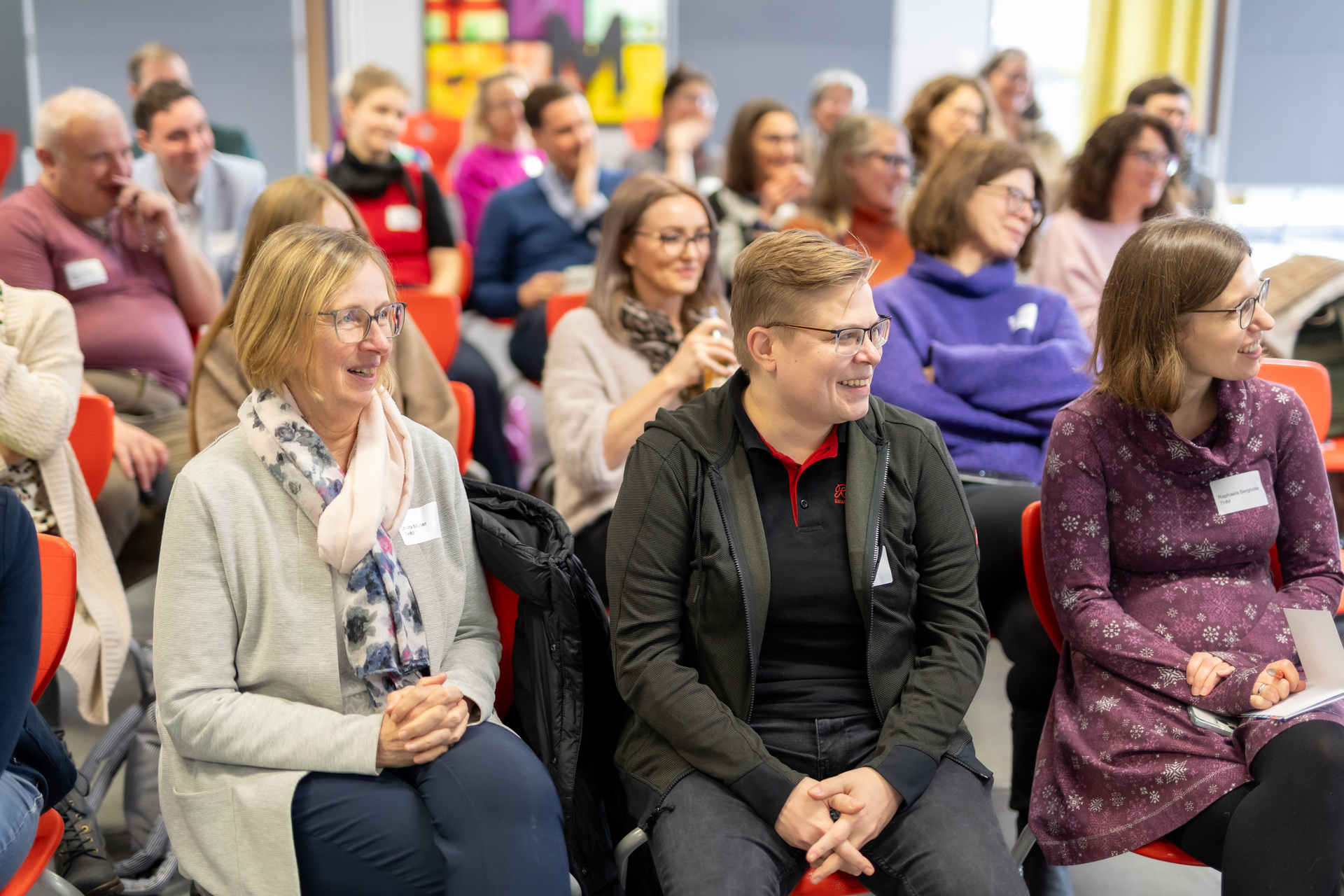
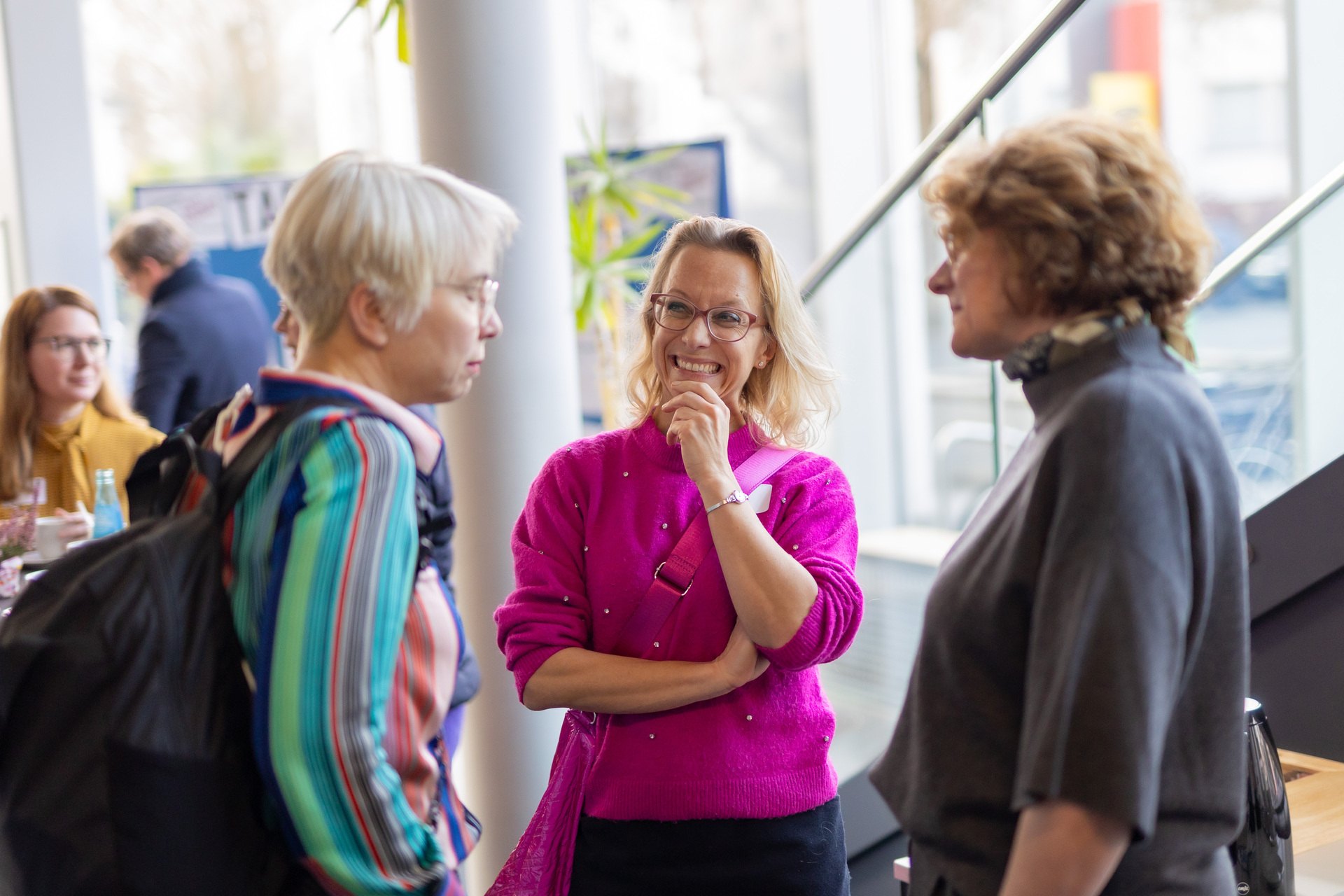
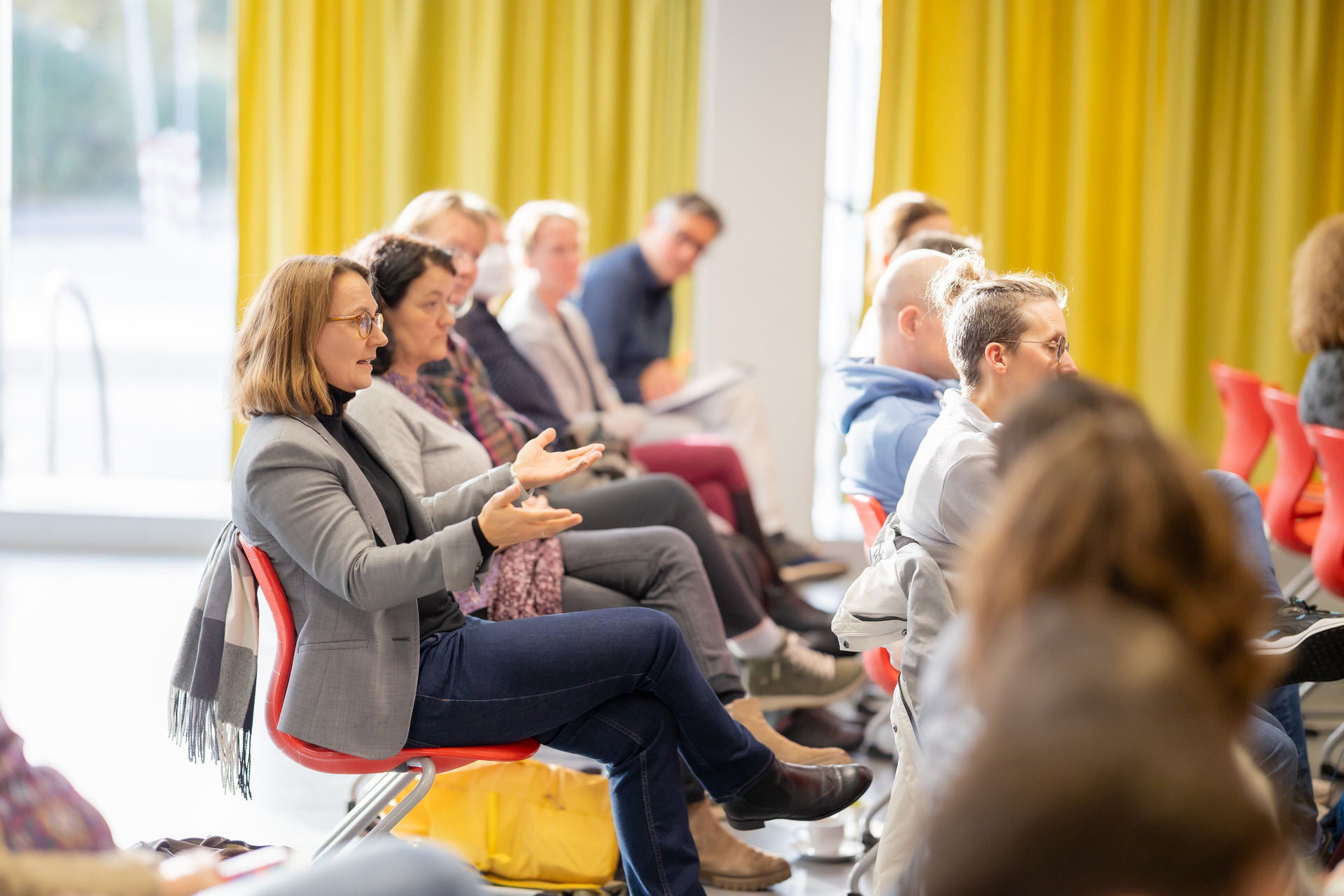
Impressions of the conference
Contact person in
Dr. Susanne Reisinger , Technische Hochschule Mittelhessen