Topics & Measures
The QuIS thematic areas provide the content framework for the measures. They bring together key areas of action for university development and show how different approaches contribute to the further development of studies and teaching.
Topics & Measures
The QuIS thematic areas provide the content framework for the measures. They bring together key areas of action for university development and show how different approaches contribute to the further development of studies and teaching.
Topics
The five thematic areas structure the diverse measures within QuIS. They provide orientation, highlight key areas, and enable targeted access to the different content-related approaches.
Flexibility
Flexible study structures make it possible to better consider different life circumstances. Through adapted formats, digital offerings, and new teaching concepts, diverse pathways through university studies are emerging.
Digitalization and AI
Digital technologies and artificial intelligence are fundamentally changing university studies and teaching. New tools and formats are opening up innovative possibilities for learning, teaching, and assessment.
Study quality and student success
High-quality studies are crucial for successful educational pathways. Targeted measures and continuous development improve study conditions and sustainably support academic success.
Internationalization and Mobility
International experiences broaden perspectives and strengthen professional and personal skills. Exchange programs, collaborations, and international teaching opportunities create cross-border learning environments.
Heterogeneity and diversity
The diversity of students places different demands on studies and teaching. Inclusive approaches and supportive structures facilitate access and better take individual potential into account.
Student Life Cycle & Target Groups
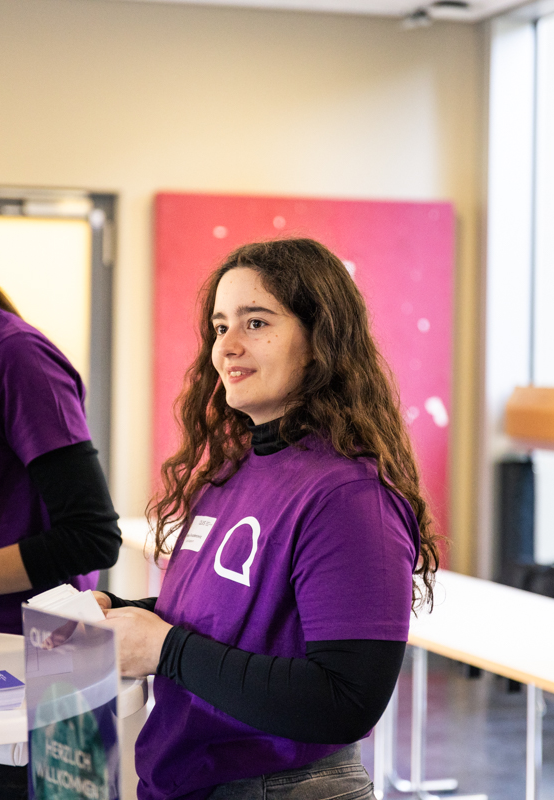

Providing holistic support to students – from beginning to graduation
The student life cycle encompasses all phases of university studies – from orientation and enrollment to the course of study, graduation, and transition to the professional world. Each phase brings its own challenges and support needs.
For universities, this holistic perspective provides an important basis for developing targeted measures in studies and teaching and for better aligning them with the needs of students. This allows for the design of structural transitions, the promotion of academic success, and the sustainable strengthening of teaching quality.
Target groups in focus
University studies and teaching affect far more than just enrolled students. Different target groups – from prospective students to first-year students and current students, all the way to graduates and alumni – are at different stages of their educational journey and each has their own specific needs.
At the same time, lecturers and staff at universities, teachers at schools, and employers also play an important role in the education system. They shape learning processes, support transitions, and provide impetus for the further development of studies and teaching.
A target group-oriented approach helps universities to develop measures that are precisely tailored, to combine perspectives and to think about education holistically.
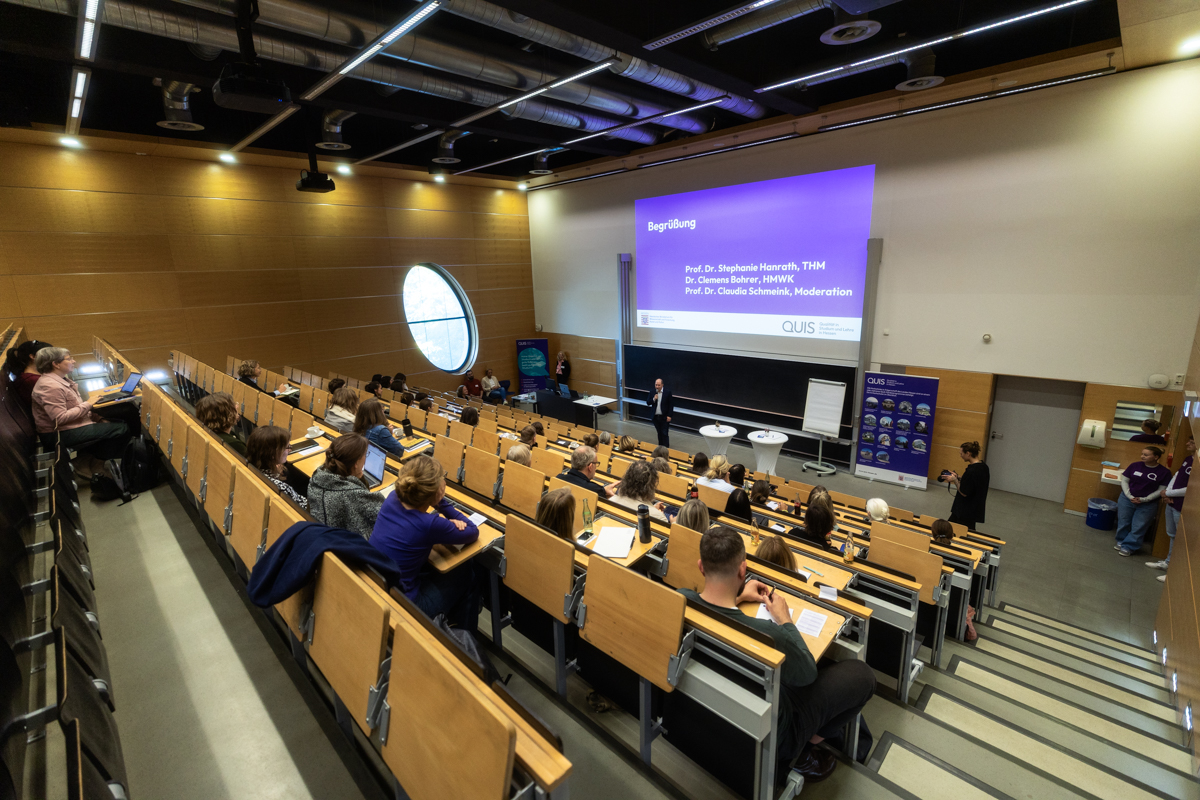
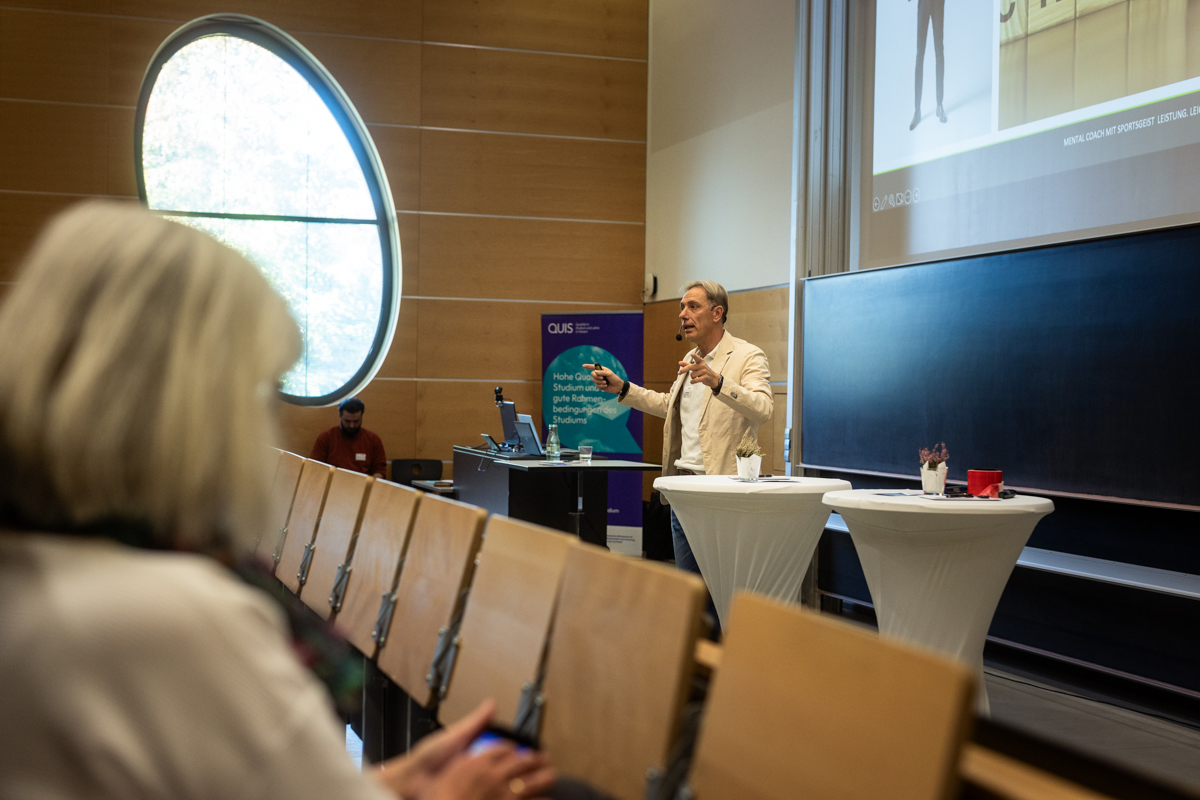
Archive: QuiS funding program
“QuiS”, a funding program of the Hessian state government to promote quality in teaching and studies and targeted teaching development, was financed with more than 130 million euros from the funds of the future contract “Strengthening studies and teaching” from 2021 to 2025 during the term of the Hessian Higher Education Pact.
Various projects were funded through different funding lines, including QuiS21, QuiS_Flex, QuiSDuaL and QuiS_Plus.
The funding program "Quality in Studies and Teaching in Hesse" ended on December 31, 2025. The content, especially the individual funded projects of the universities, will remain available to you as an archive.