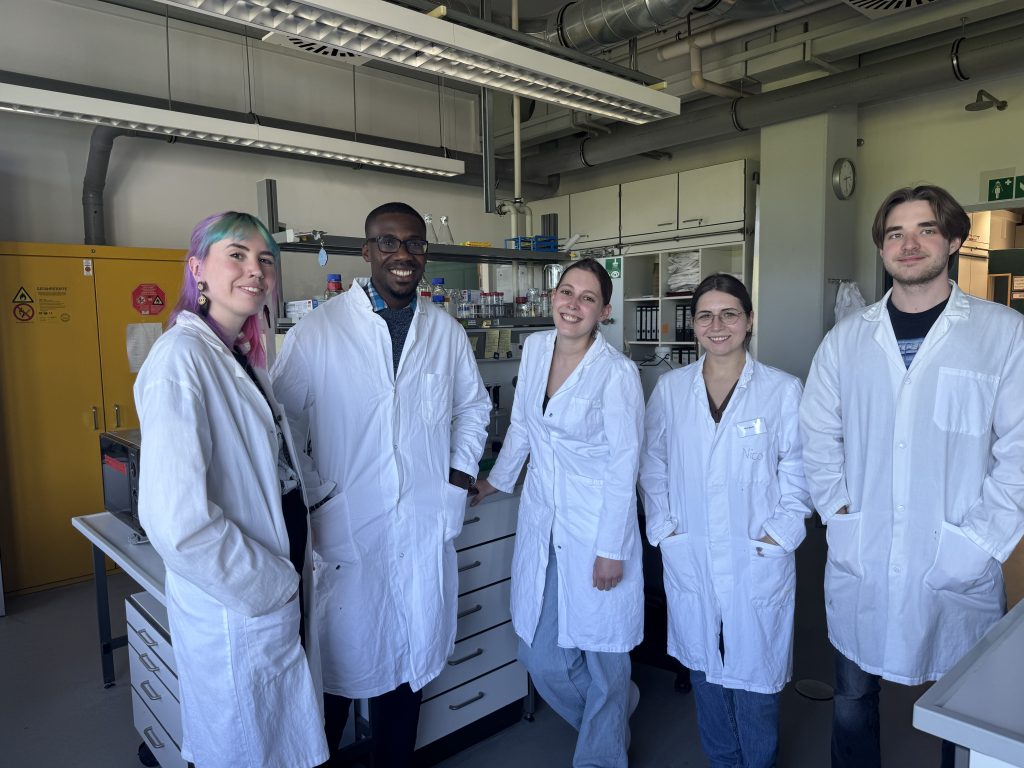
Students with vocational training are often overlooked as a diversity category. Yet, they are typically highly motivated, have clear goals, and excellent self-organization skills. Career2Bio specifically addresses current and prospective students, supports them during their studies and the recognition of prior learning, and advocates for the visibility of this group at universities.
Student LifeCycle: Starting your studies
Target group: Prospective and beginning students
University: TU Darmstadt
The student body at universities is becoming increasingly heterogeneous – traditional educational paths are giving way to individual career trajectories. One often overlooked group is students with completed vocational training. Individuals with relevant vocational qualifications, such as biological-technical assistants or chemical laboratory technicians, already bring sound specialist knowledge to their biology studies. Despite these qualifications, they usually have to complete their degree program entirely from scratch – systematic recognition of professional competencies is still rarely established at many universities. At the same time, the question arises as to how this target group can be specifically addressed and best supported.
This is being tested in the Career2Bio project at the Department of Biology at TU Darmstadt
. The goals are:
– Workshop participant
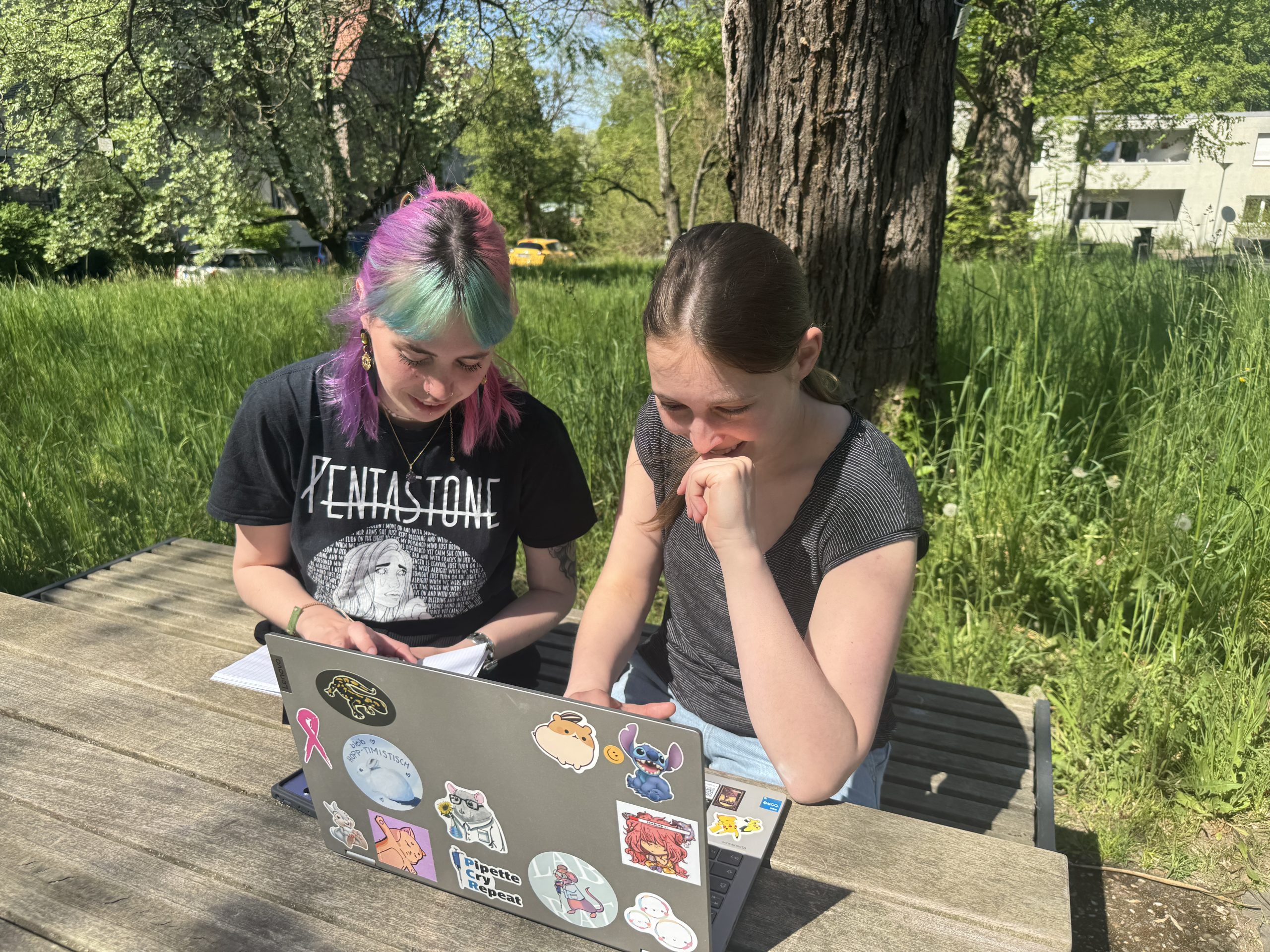
The project recognizes both theoretical and practical competencies worth up to 50 ECTS credits. In addition to individual credit transfer procedures, a standardized model is being pursued in the long term to make processes more efficient and transparent. However, credit transfer alone is not enough: targeted support services are crucial for success. Biography-oriented counseling, individualized study planning, and networking opportunities facilitate entry and promote long-term academic success. Experience has shown that peer exchange plays a central role in integration. Therefore, we deliberately collaborate with student assistants from the target group itself. This has proven invaluable: they not only provide a valued point of contact but also give the target group a face and a personal story – which has a powerful impact on the wider community.
Personal support from the student services office is also a key factor for success. Students are aware of various options and can proceed through the credit transfer process step by step, without missing opportunities for flexibility, but also without feeling insecure about missed learning opportunities or potential gaps in knowledge.
The project is currently working on transferring measures to other departments at TU Darmstadt so that even more students can benefit.
Karen Rätz | raetz@bio.tu-darmstadt.de
Tel.: +49 6151 16220 58
TU Darmstadt